

- Details
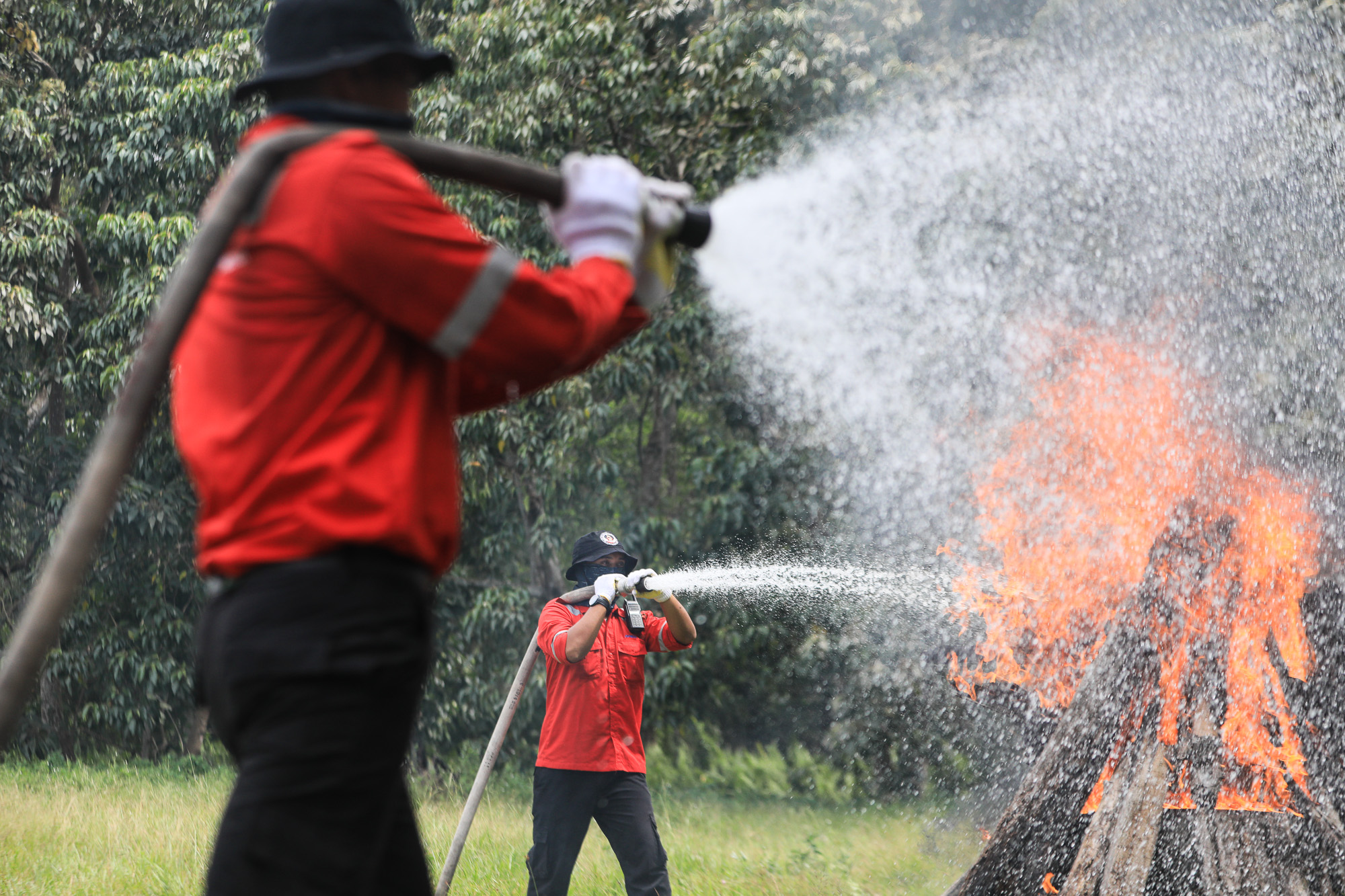
2017 was a successful year for the fire prevention team at APRIL. The annual dry season passed with no major incidents on the company’s own land, and a significant reduction in fire in local communities that are part of the Fire Free Village Program.
But preventing fire – and the haze that affected much of Southeast Asia in 2015 – is a continuous effort, and complacency cannot be allowed to set in.
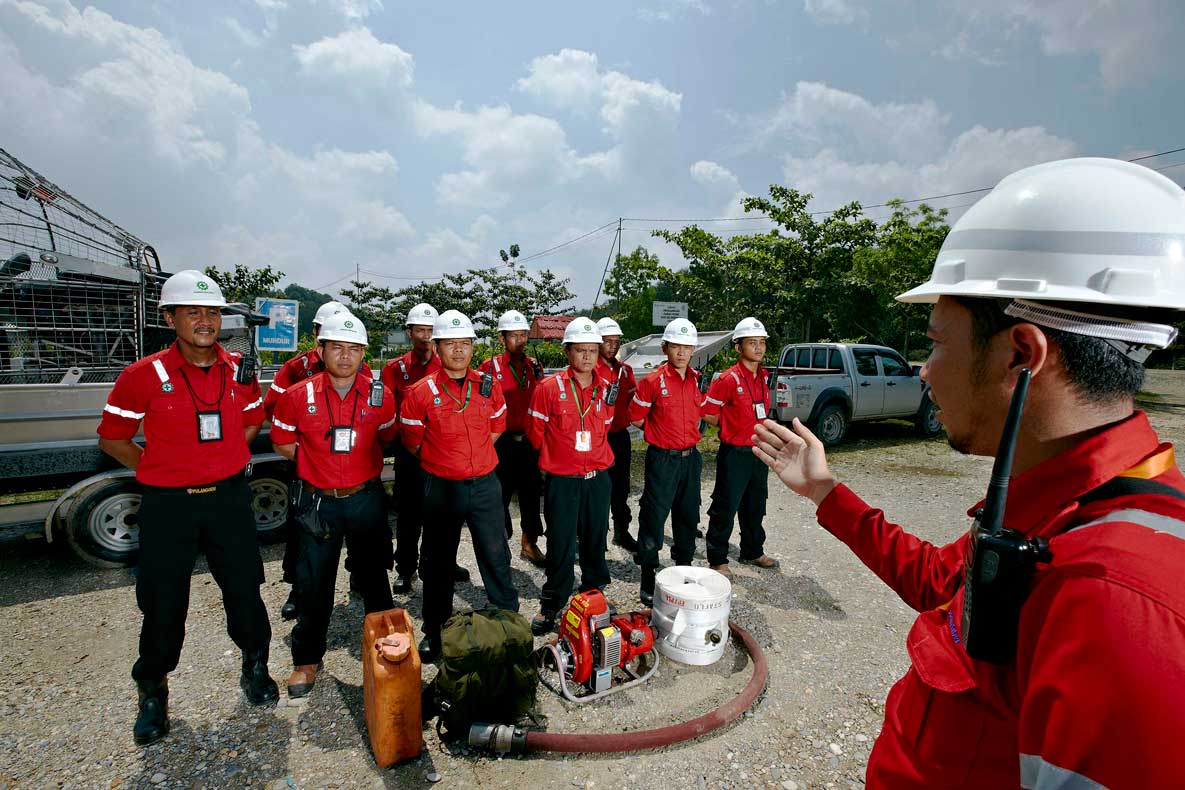
It’s with that in mind that the company’s fire team is training hard during the wet season so that it is ready for the dry summer months.
The fire prevention team consists of 1,125 full- and part-time staff, each of whom receives at least two weeks training a year, including simulated fires as well as practical and theoretical skills. The crews even trained with special forces from the Indonesian Air Force, learning survival techniques and how to navigate the sometimes harsh jungle environment.
Read more: How APRIL’s fire teams are training now to beat the annual dry season
- Details
As part of its corporate and social responsibility, APRIL Group establishes partnerships with local communities to provide community empowerment and foster self-reliance.
APRIL implements community development programs in this way to help alleviate poverty and improve quality of life, thereby supporting several of the United Nation’s Sustainable Development Goal (SDGs).
The company runs a Small and Medium (SME) Development Programme, with the aim of supporting local entrepreneurs by providing them with technical and financial expertise.
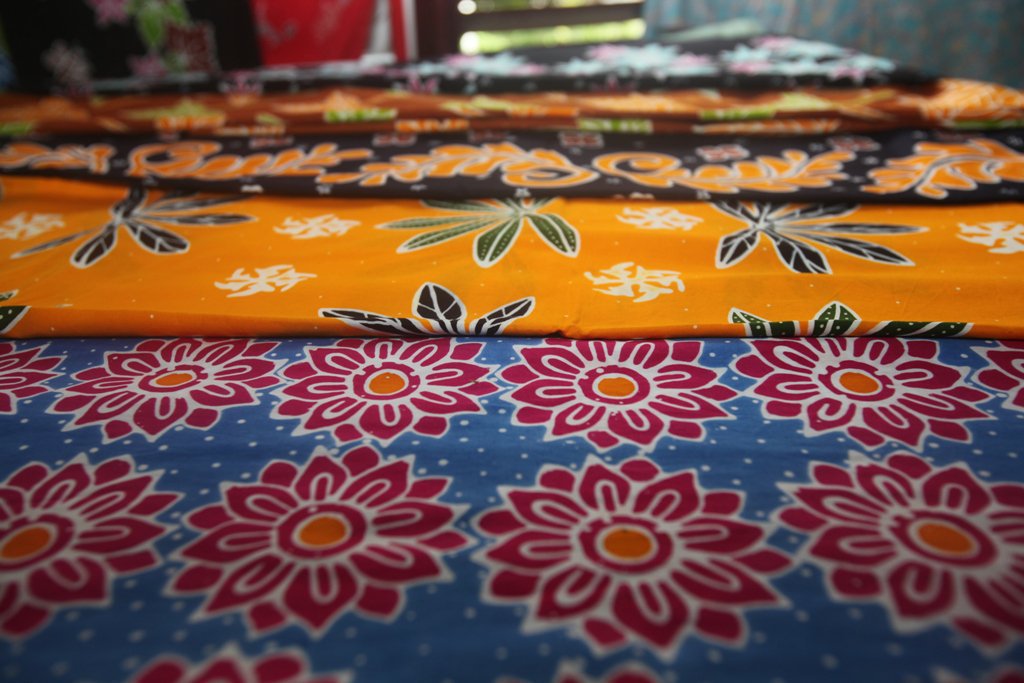
In 2013, APRIL began running its batik programme (as part of the SME development progammes) in Pelalawan Regency of Riau, Indonesia. Batik, a quintessential Indonesian product, is dip-dyed colourful cloth carrying design motifs. The intricate wax motifs are either drawn on by hand or printed on with copper stamps.
Read more: APRIL’s Batik Programme Helps Housewives to Earn Livelihood
- Details
In the midst of land scarcity and uncertain weather, an integrated agriculture system is deemed to be the solution for farmers to manage their lands productively. Integrated farming uses multiple cultivation initiatives in the same area to deliver more sustainable agriculture. This system combines agriculture, farming, fishery, and other activities using the same land area – enabling farmers to gain additional income rather than relying on a single crop.
Farmers can continue to earn income from livestock, gardening and fishery between harvests of their main crop, ensuring a more reliable revenue stream and helping eliminate poverty. As a company that supports the development of small and medium businesses around its operational area, APRIL has been championing this since 1999. This program is part of the Community Development initiative providing training for farmers and facilitating technical assistance to increase their income. To date, there are over 2,200 farmers and 119 farmers groups with 1,632 hectares of land participating in the program.
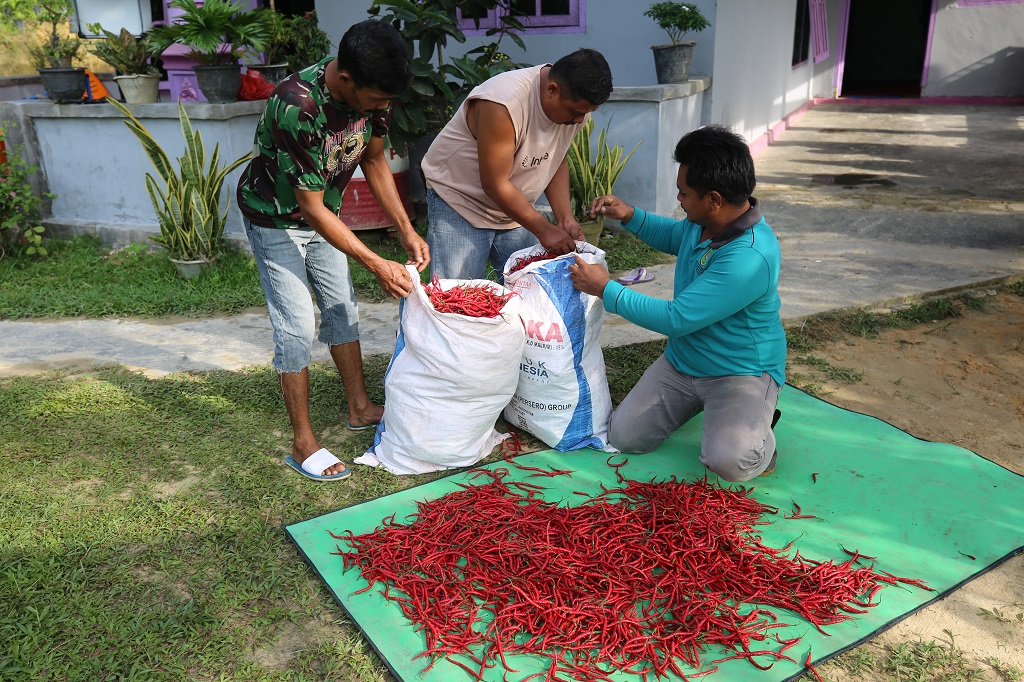
Back in 2017, 167 farmers were trained to cultivate farmland under the program, while 57 farmer groups were supported with agricultural materials. So far, 2,200 households have received support for agricultural materials via the IFS.
- Details
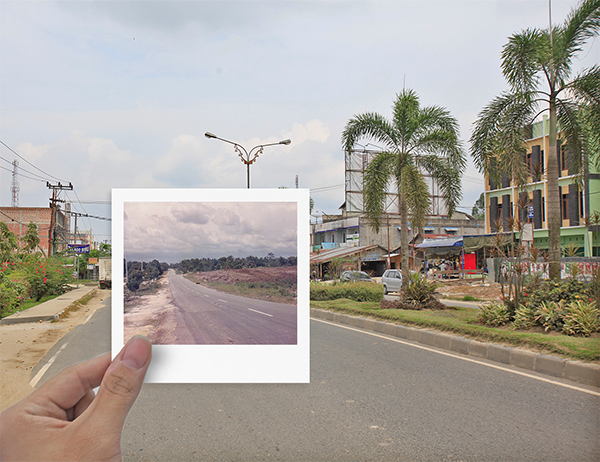
Just over 25 years ago, the town of Kerinci on the Indonesian island of Sumatra was home to just 200 dwellings. There were no roads so the only access was on foot or by boat, and most inhabitants made a living as fishermen or illegal loggers.
Today the town is home to over 100,000 people, it has a small airport and two ports, and its produce is used by millions of consumers in countries around the world.
Read more: Before and after: The growth of Kerinci in pictures