

- Details
The global pandemic continues to test our resolve as a business. But while we address the urgency of protecting the health and well-being of our employees and communities, we also believe that staying the course and maintaining a long-term view on sustainability is crucial.
Continued investment in climate, nature and sustainable development assumes even greater urgency as, for these, there is no vaccine. There is much more to do and now is not the time to take our foot off the pedal, in terms of our commitment to the long term sustainability of our operations.
While these past months have presented unprecedented challenges for businesses, it also presents an opportunity, if seized decisively, to transform the future for the better.
Last November, APRIL Group launched APRIL2030, a set of commitments and concrete actions to bolster achievement of the 2030 United Nation’s Sustainable Development Goals (SDGs) in the next decade as we are convinced sustainability is inseparable from our core business operations.
- Details
What does Climate Positive mean?
In everyday terms, Climate Positive is about the actions that we can take to reduce the emission of greenhouse gases from daily activities.
Many people are actually unaware of the environmental impact of their consumption habits. For example, sometimes we leave the lights on in an empty room or use plastic straws to drink. Likewise, we buy drinking water in plastic bottles, without considering how the used bottle will be disposed of, and frequently we don’t finish food and allow it to go to waste.
Read more: Climate Positive and its Impact on Reducing Greenhouse Gas Effects
- Details
2020 has been a tough year for all of us. However, with the help of our Core Values, APRIL has managed to convert challenges into opportunities. Here are some of the highlights of 2020:
February
Indonesia President Visit
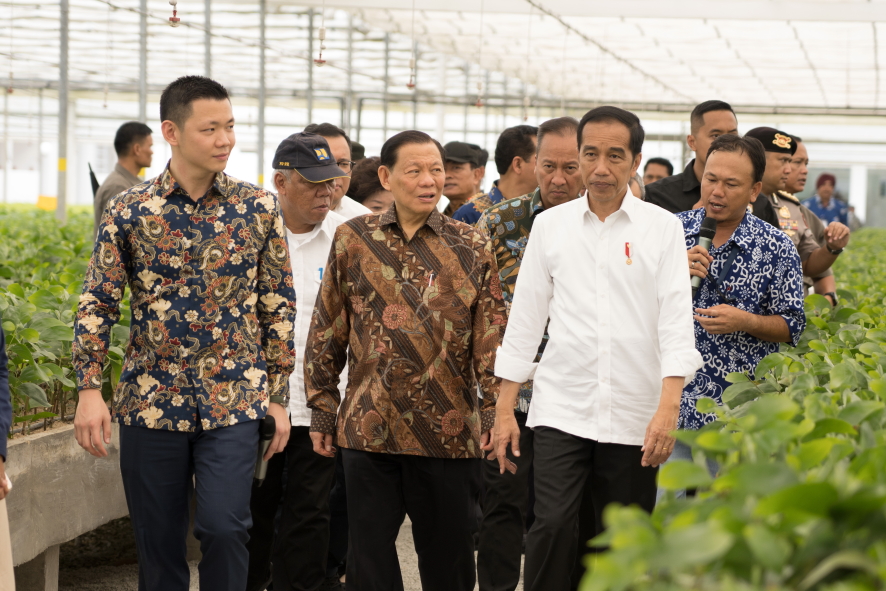
We welcomed President of the Republic of Indonesia Joko Widodo to our complex in Riau, Sumatra to inaugurate the largest integrated viscose rayon production facility in Indonesia, Asia Pacific Rayon (APR), a business group managed by RGE.
- Details
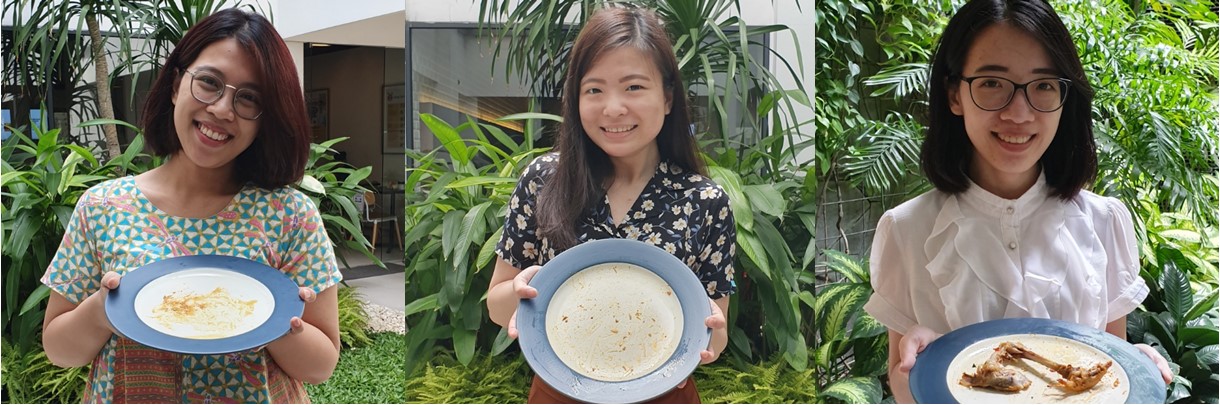
When picturing a zero-waste lifestyle to help preserve the environment, the first thing that usually springs to mind is how to reduce single-use plastic waste, or use of materials which are difficult to recycle, such as polyester.
Food waste rarely gets the same attention, but it is a major issue. Food waste may decompose naturally, but it requires large volumes of resources to produce, and also adds to the issue of social inequality, particularly in developing countries like Indonesia, where the poverty rate is high.
About 19.4 million people in Indonesia suffer from malnutrition, with around a quarter of Indonesian children still suffering from stunting and acute malnutrition which causes stunting. In 2019, Indonesia’s Global Hunger Index was 21.9%, slightly higher than Laos’ figure.
Read more: Clear Your Plate #BerkahPiringKosong To Help Reduce Food Waste and Raise Awareness